Exchange Counterparty Risk in Arbitrage: How to Reduce Your Exposure
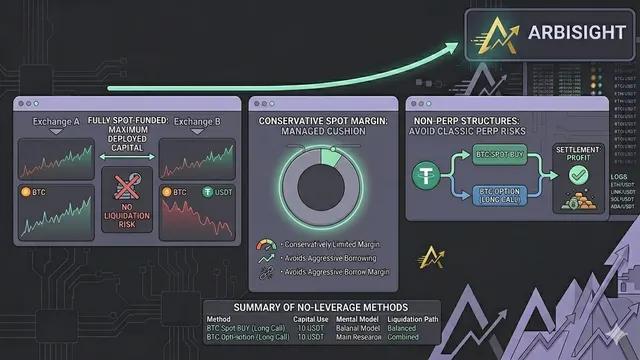
Exchange risk crypto arbitrage is the awkward truth buried under spreadsheets: two venues mean two wallets, two APIs, two policy regimes, and two failure domains.
What Counterparty Risk Means Here
Not just "hack" scenarios—also:
- withdrawal delays,
- sudden maintenance,
- margin parameter changes,
- degraded matching during volatility,
- counterparty credit questions in stress markets.
Reduce Exposure, Do Not Deny It
- cap per-venue notional,
- avoid concentrating inventory you cannot move quickly,
- keep a derisking trigger list (what must be true to cut exposure),
- separate "experiment capital" from core capital.
Monitoring That Matters
Portfolio Management shows imbalance before narrative.
Alerts on operational anomalies reduce "I will check later" blind spots.
Discovery Still Needs Governance
Live Crypto Arbitrage helps you find CEX arbitrage ideas; your risk stack decides which venues earn the right to hold your funds overnight.
DEX Angles (When You Use Them)
DEX scanner paths add different failure modes—routing, bridges, RPC health. Free DEX scanner tiers can be fine for learning if you size like you expect failure.
Closing Thought
Best cryptocurrency arbitrage service marketing rarely credits counterparty math.
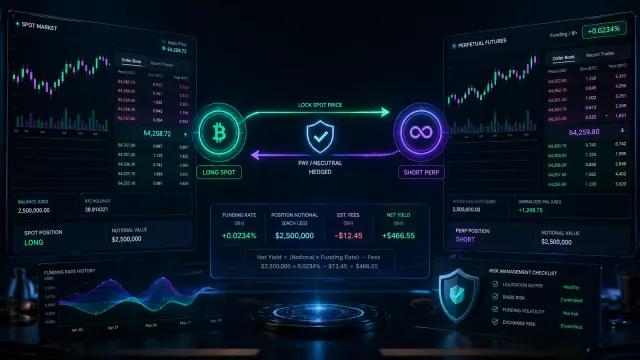
Serious cryptocurrency arbitrage desks treat venue selection as part of edge—especially for funding rate arbitrage where positions persist.
Disclaimer: This article is educational content only and not financial advice. Trading carries risk, including loss of capital.