Showing posts tagged: risk-management · Clear filter

Coin Delisting and Funding Rate Arbitrage: Why Cross-Exchange Hedges Break
When a coin is delisted, prices and funding rates diverge across exchanges. Hedged funding arbitrage stops working—there is no guarantee prices settle at the same level, and spreads can flip unpredictably.

When a Crash Creates Too Many Opportunities: Lessons From October 10, 2025
The October 2025 crypto flash crash liquidated billions and opened countless trades at once. Here is why "more opportunities" can feel paralyzing—and how directional pain coexisted with arbitrage wealth.
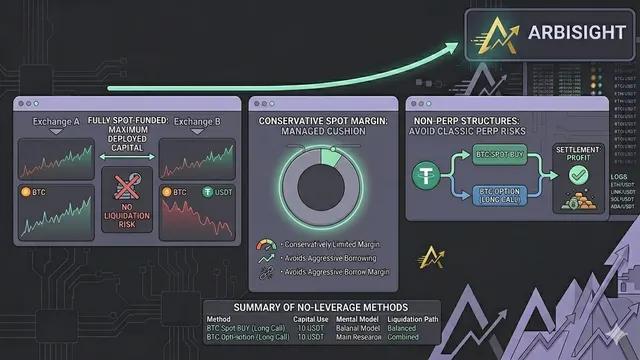
How Much Money Do You Need to Start Funding Rate Arbitrage?
I break down starter vs serious capital tiers for delta-neutral funding carry—from where fees overwhelm edge to ratios I actually enforce before clicking send.
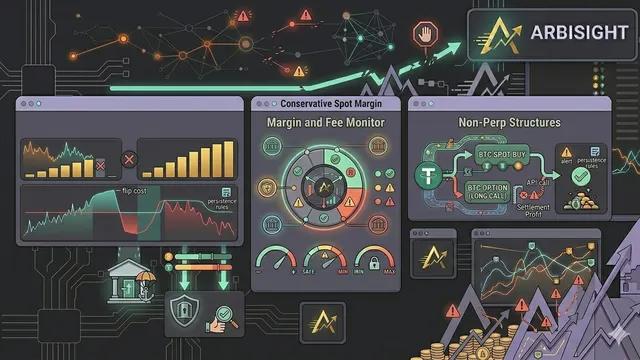
How to Trade Funding Arbitrage During High Volatility Without Panic
High volatility changes fees, basis, and margin faster than funding prints update. Here is a calm, process-first playbook for crypto arbitrage during volatility — sizing, buffers, execution, and when to stand down.

How to Manage Liquidation Risk in Funding Rate Arbitrage
Liquidation risk in funding arbitrage is the silent killer: you can be directionally hedged and still blown out on leverage. Learn buffers, sizing, venue choice, and monitoring habits that actually hold under stress.

OKX vs Pionex Funding During Volatility: What Usually Breaks First
Volatility checklist for OKX and Pionex: what changes first when markets speed up, and how to keep a hedged workflow boring.
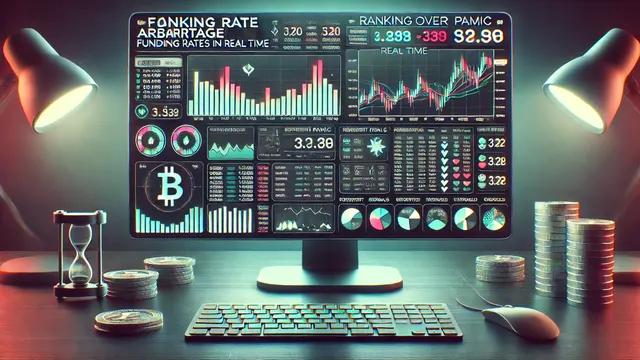
How to Size Your Crypto Arbitrage Position Correctly
Position sizing for crypto arbitrage is not "max leverage." Here is a practical framework for notional, margin buffer, fee drag, and venue depth so your edge survives real markets.
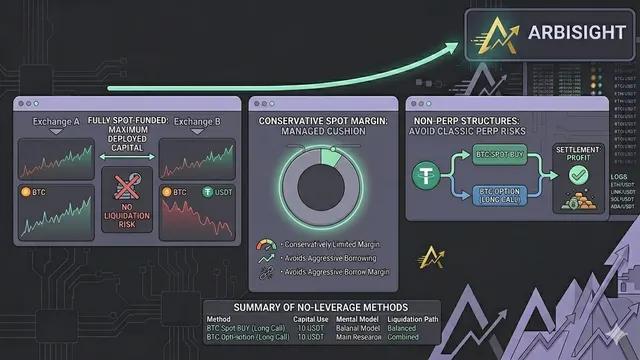
The Complete Funding Rate Arbitrage Checklist: Entry to Exit
A trader-grade funding rate arbitrage checklist from pre-trade validation through monitoring and exit—so you do not skip the steps that separate net profit from avoidable losses.
Crypto Funding Rate Arbitrage Strategy Guide (2026)
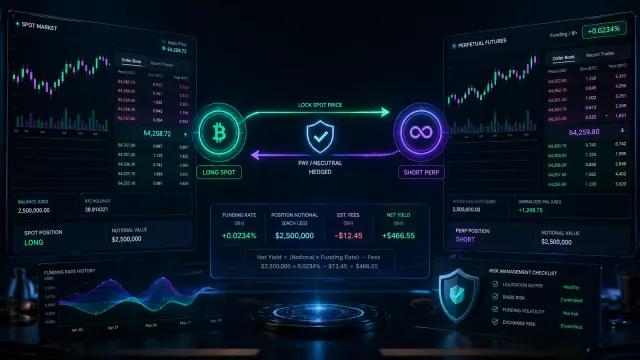
A practical, trader-first 2026 playbook for funding rate arbitrage, with real-world execution tips, fee math, and risk controls.
Are Crypto Arbitrage Opportunities Safe? A Practical Profit Framework
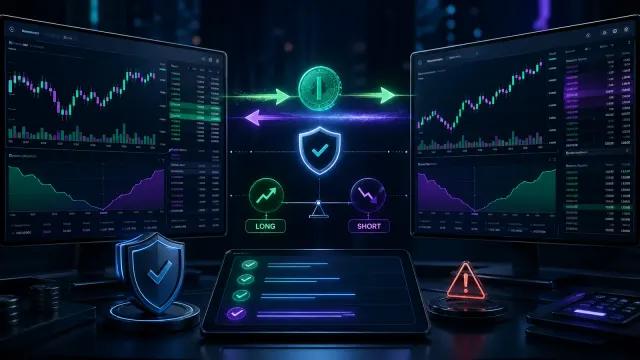
Crypto arbitrage can be one of the safer ways to trade when you stay disciplined, hedge correctly, and treat risk management as non-negotiable.

WOO X vs XT Funding During Volatility: What Usually Breaks First
Volatility checklist for WOO X and XT: what changes first when markets speed up, and how to keep a hedged workflow boring.
When a Coin Surges 100%+ in 24 Hours: Funding Opportunities, Cycle Gaps, and Liquidation Risk
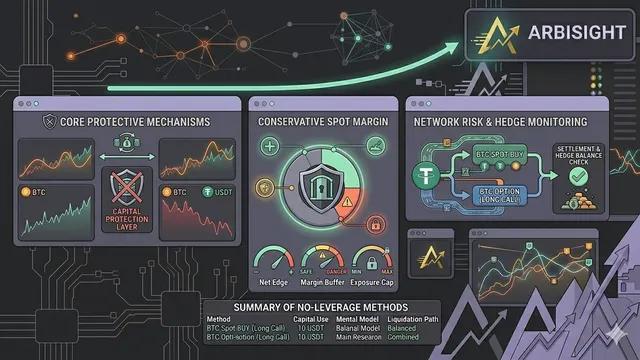
Extreme 24-hour pumps often blow out perpetual funding and widen cross-exchange funding cycles — which can create rare carry and timing edges. Alerts on funding changes and cycle mismatches (e.g. 4h vs 1h venues) help you validate faster — but liquidation and basis risk jump too.

Paradex vs Tapbit Funding During Volatility: What Usually Breaks First
Volatility checklist for Paradex and Tapbit: what changes first when markets speed up, and how to keep a hedged workflow boring.

What Happens to Your Money in a Crash When You're Running Funding Arbitrage?
Funding arbitrage is often sold as calm—until volatility arrives. Here is what actually breaks first in a crash: margin, basis, funding sign, and operational exits.
Exchange Counterparty Risk in Arbitrage: How to Reduce Your Exposure
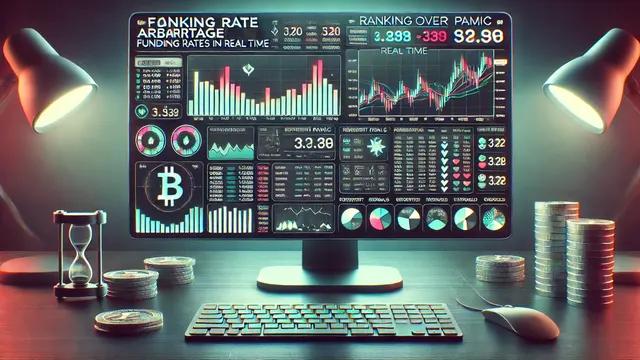
Exchange risk in crypto arbitrage is real: downtime, withdrawals, credit events, and policy shifts. Practical ways to reduce counterparty exposure without pretending risk can hit zero.
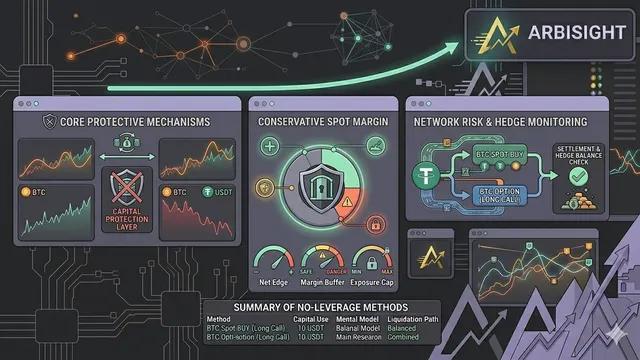
How to Monitor Multiple Arbitrage Positions Simultaneously
A practical framework for monitoring several crypto arbitrage positions at once—without missing funding flips, margin stress, or execution drift. Built for traders who scale across exchanges.
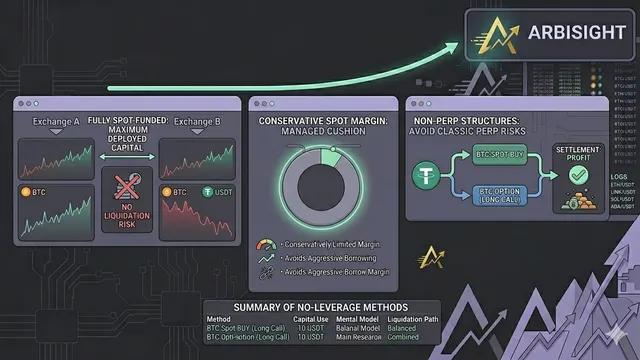
How to Protect Your Capital in Funding Rate Arbitrage (8 Proven Rules)
Eight capital-protection rules for funding rate arbitrage: buffers, fee honesty, venue limits, alert discipline, and when not to trade—written for traders who want to stay in the game.
MEXC vs OKX Funding During Volatility: What Usually Breaks First
Volatility checklist for MEXC and OKX: what changes first when markets speed up, and how to keep a hedged workflow boring.