How Much Money Do You Need to Start Funding Rate Arbitrage?
I spend a stupid amount of time in Discords answering one question:
“Neil, stop flexing calculators—what’s the smallest stack that even makes funding worth it?”
Fair. Funding rate arbitrage scales with position value, but the floor is set by math you cannot negotiate with: fees × two exchanges + volatility buffer.
Minimum capital is really “minimum edge after friction”
Manual trading bots aside, you personally need capital on both exchanges (or mirrored spot/perp collars) so liquidation math doesn’t twitch when funding flips overnight.
Rough mental model:
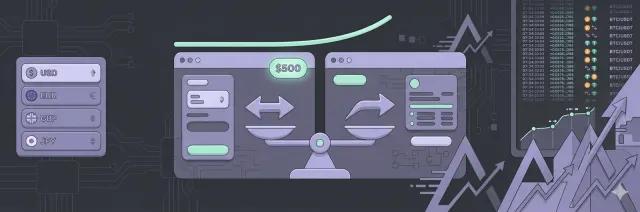
- Micro ($500–$1k): You can learn arbitrage perpetuals and spread tracking, but crypto arbitrage earnings after double fees get thin fast.
- Comfortable ($3k–$10k): Fee tiers improve, slippage hurts less, and free funding rate tracking / arbitrage scanner alerts start to match how I actually trade.
- Serious ($25k+): Liquidity and portfolio management matter more than raw funding rate magnitude.
What I always budget beyond notional
- Margin runway so a basis spike doesn’t auto-flatten you.
- Withdrawal float if an exchange hiccups—CEX arbitrage is also operator risk.
- Time to babysit crypto arbitrage between exchanges through API chaos.
Using ArbiSight without mistaking “free” for “zero cost”
ArbiSight’s free crypto arbitrage scanner (where available on your tier) helps you hunt earn from funding rate setups—you still supply capital:
- Live Crypto Arbitrage and Arbitrage Profits
- Alerts for rotations in carry
- Portfolio Management across venues
Think of scanners as magnification, not subsidy.
Disclaimer: Educational only—not financial advice. Capital minimums assume your fee tier, jurisdiction, and risk tolerance differ from mine.