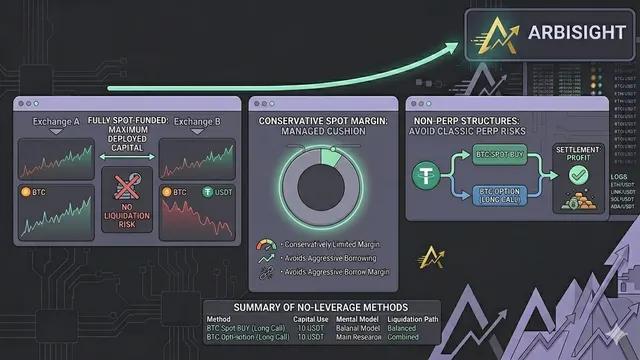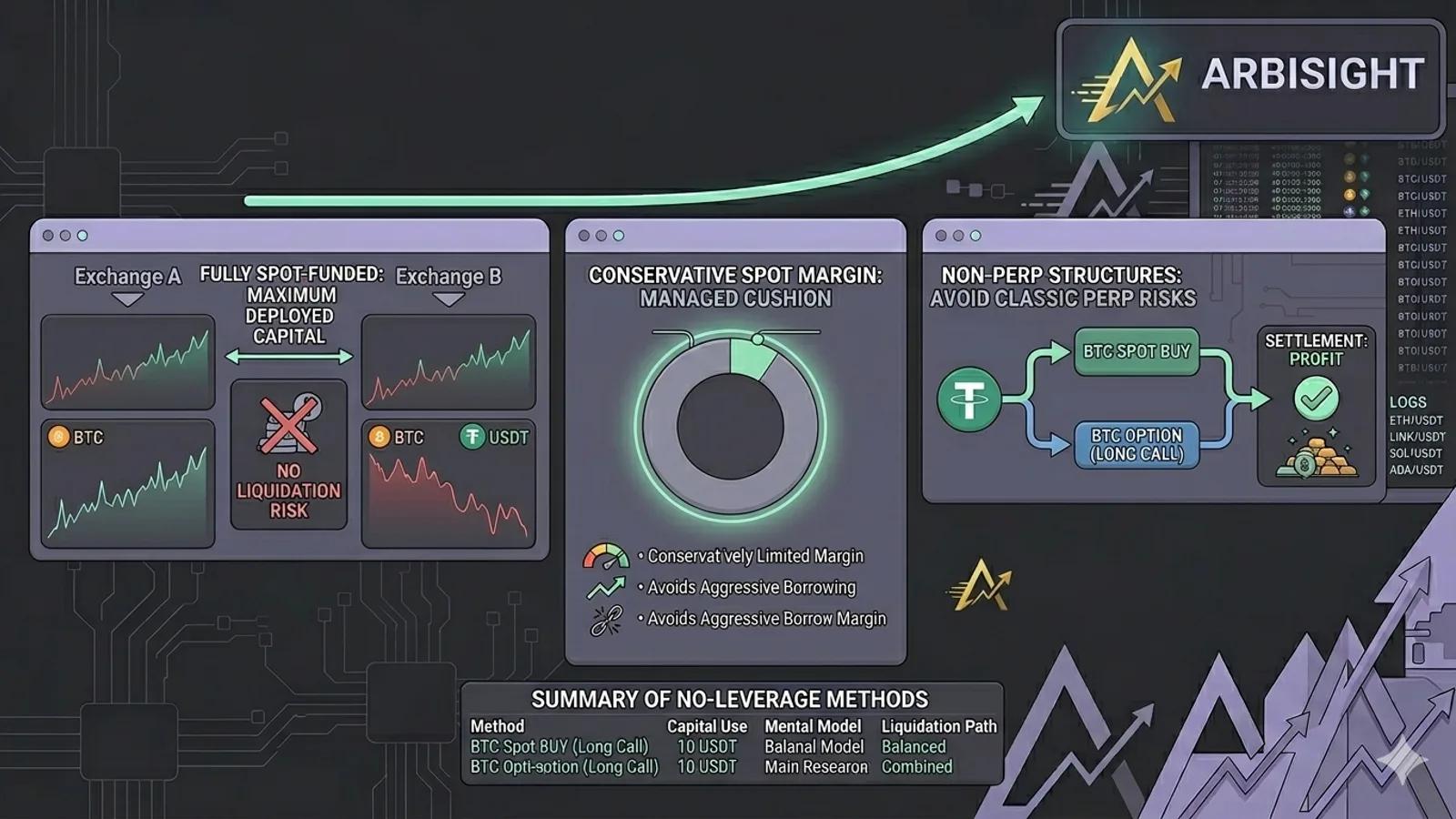
How to Earn Passive Income from Crypto Without Predicting Price Direction
Directional trading is a skill, but it is not the only way to participate in crypto markets. If you are tired of guessing the next candle, you are not alone—and you are not out of options.
Market-neutral approaches can help you focus on structure instead of price guesses: spreads, fees, funding mechanics, and operational discipline. None of this removes risk, yet it can feel calmer day to day because your thesis is often "earn from the plumbing," not "call the trend."
Why "Passive" Still Needs Active Hygiene
Passive income in crypto is rarely set-and-forget. Exchanges change rules, funding flips, liquidity thins, and APIs hiccup.
What you are really building is a low-attention system with high discipline:
- repeatable checks before entry
- alerts when conditions change
- a simple log so you learn from real fills
If you want a free way to watch opportunities without committing capital, start with a free crypto arbitrage scanner mindset: scan first, size later, and never assume the screen number matches your net edge after fees.
Carry Trades and Funding Rate Arbitrage Basics
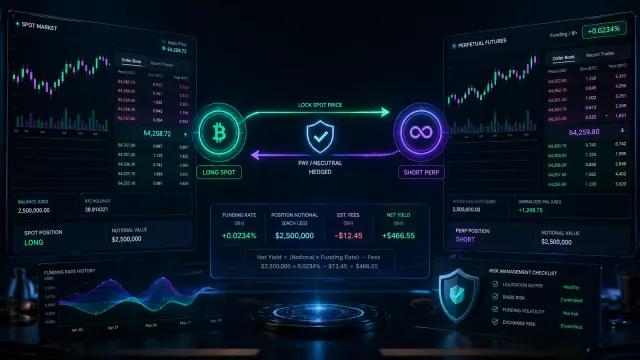
One of the most discussed market-neutral setups is funding rate arbitrage on arbitrage perpetuals—typically long spot and short perp (or the reverse in negative-funding regimes) so you are not making a bold call on whether Bitcoin chops or rallies.
You are trying to earn from funding rate payments while keeping delta near flat. That is why many traders pair CEX arbitrage workflows with strict margin buffers: the hedge is the thesis.
The attractive part is continuity. The uncomfortable part is basis drift, liquidation proximity, and sudden funding spikes that reverse. Treat carry like a rental property: predictable if you maintain it.
Spread Tracking and Execution Quality
Even if you are not running a full hedge, spread tracking matters. Tighter spreads and deeper books usually mean cheaper entries and exits, which is silent alpha.
Before you lean on any arbitrage scanner printout, glance at depth and slippage. A pretty percentage means little if your exit prints badly. Tools that visualize liquidity—like an Orderbook Snapshot—help you separate fantasy edges from tradable ones.
Using Alerts Without Living in the Chart
If the goal is passive-ish income, you need interruption only when it matters. Alerts let you step away while still protecting process: funding flips, spread blowouts, or margin ratio thresholds.
Pair alerts with Portfolio Management so you are not guessing exposure across venues. When two exchanges carry the same idea, small imbalances add up.
A Beginner-Friendly Progression (That Still Respects Risk)
If you want crypto arbitrage for beginners, sequence the learning:
- Paper-model the trade: fees, funding sign, basis risk.
- Start small on liquid pairs where exits are easier.
- Log expected vs realized crypto arbitrage earnings.
- Add Watchlist hygiene so you do not chase random markets.
- Prefer Slow Entry when liquidity is thin—impatience taxes returns.
This is how you graduate from curiosity to a calm routine, still without needing a directional view.
Crypto Arbitrage Tools That Fit the Workflow
The best arbitrage scanner is the one you actually use consistently. For many traders, that means combining Live Crypto Arbitrage discovery with Arbitrage Profits scenarios—then verifying whether the opportunity survives real costs.
Crypto arbitrage tools are not magic; they reduce search cost. Your job remains risk control and clean execution.
Closing Thought
You can pursue income in crypto without obsessing over the next macro catalyst. Market-neutral and spread-based approaches shift the question from "where is price going" to "is this edge still positive after reality."
That mindset will not remove drawdowns, but it can remove a lot of self-inflicted noise.
Capital Efficiency and the "Hidden Leverage" Problem
Market-neutral income strategies still interact with leverage because the short leg lives inside a margin system. If you treat margin like a dare instead of insurance, carry trades stop feeling passive the first time volatility wakes you up at 2am.
I think about capital in three buckets: hedge cash, buffer cash, and inconvenient friction cash (fees you accept because the alternative is worse slippage). Buffets are not exciting to talk about, but they are the reason a calm strategy stays calm.
Correlation Surprises You Discover Only in Stress
Two positions can look hedged on a spreadsheet and still move together when liquidity evacuates. That is why I care about futures arbitrage hygiene: if your hedge breaks for even a few minutes, your "neutral" trade can become embarrassingly directional.
Correlation also shows up across altcoins. If you stack several funding trades that share the same macro lever, you may think you diversified when you actually cloned the same risk with different tickers.
Rebalancing Without Overtrading
Neutral drifts. Fees punish twitchy rebalance schedules, but laziness punishes risk. I like pre-set tolerance bands: when exposure drifts beyond a line I wrote down while calm, I fix it. That simple rule stops me from "fixing" noise and ignoring real skew.
If you like tooling, Portfolio Management pairs well with a weekly review—even if your alerts are quiet.
What I Track in a Simple Log
Date, venues, pair, expected funding sign, fees assumed, realized fills, and one sentence on what surprised me. It sounds trivial until it saves you from repeating the same expensive mistake with confidence.
Disclaimer: This article is for educational purposes only and is not financial advice. Always do your own due diligence before trading.